Acute Behavioral Services (ABS) are services Dungarvin has had in place in Minnesota for the last 8 years. ABS homes are highly specialized programs in which we serve people with intensive, interfering behavioral and/or mental health needs. With 37 ABS homes in the state, these programs utilize a person-centered approach to support an individual to reach his or her goals while still considering the safety of the person, staff, and that individual’s community. Generally, ABS programs support people who have not thrived in other environments, so an emphasis is put on the preparation of programming, environmental modifications, staff training, and behavioral supports prior to placement.
Acute Behavior Services (ABS) specialize in supporting individuals with high behavioral concerns and/or mental health diagnoses that make it challenging for the persons served to cohabitate with others. Typically, they require a ratio of two staff to one person served as well as complex and comprehensive service planning.
“Our ABS services are geared towards helping individuals who have consistently struggled in traditional group home models,” said Heather Golden, Minnesota Director of Operations. “We have found amazing success with meeting the individual where they are at in their life; maybe they need to live alone, maybe they need to be away from a big city.”

The Dungarvin Minnesota team strives to find homes in areas that are best for the individual we are supporting and makes sure those homes are a physically safe environment based on that person’s particular needs. In essence, the home is tailor-made for the individual.
Recently, Dungarvin Minnesota added ABS services for three individuals in Rochester, Austin and the Grand Rapids communities.
In Rochester, this service began in September. This particular individual served was adopted from an orphanage in Ecuador, one of four siblings, three of the children having developmental disabilities, who was brought to Minnesota to join their family. Unfortunately, the behaviors of this individual became too much for the family to handle without support. This is where Dungarvin ABS services can provide much-needed help.

The services set to begin in Austin also come from previous Foster Care Services, of which Dungarvin is very familiar. The services are currently scheduled to open in November, serving one individual.
In Grand Rapids, the team will also start with one individual but are hoping to quickly expand, as there are many individuals in this area for whom these services would be beneficial. Dungarvin has been working on implementing similar ABS services in Itasca County for adolescents whose traditional placements have proven unsuccessful.
Although some might consider ABS programs to be a last stop for an individual, Dungarvin sees it as the opportunity for important new beginnings. If you or someone you know in Minnesota is interested in these specialized services, please contact us at 651-699-6050.
Randee Lang is a favorite co-worker of practically everyone at Dungarvin. For nearly 26 years, she has been connecting the dots among our services and helping to manage the workflow among our most important initiatives. Randee began her career as a Special Projects Assistant in Madison, WI, and has risen to Director of the organization’s Project Management Office. Aside from managing six professionals, Lang provides direction for company initiatives across multiple departments across the country. We are so lucky to have her here at Dungarvin! Get to know a little bit more about her through 5 Questions with…Randee Lang:
1. Why do you have a passion for this work – how so – please briefly explain.
It’s about the people. Even though I’m far removed from the direct services Dungarvin provides, I feel like what I do contributes to their quality of life and that’s important to me.
2. What is your most treasured possession?
I don’t hold much value for possessions. What I value most are my friendships and relationships.
3. What do you most value in a friend or a co-worker?
Mutual respect and a good sense of humor.
4. Who are your heroes in life and why?
I think most people are heroes in some capacity, but for me my mom has been the most selfless person in my life and made the most sacrifices to ensure other people’s happiness.
5. What do you most value about the Dungarvin team with whom you work?
I work with so many incredible people on my team and across the organization. Everyone is approachable, collaborative, and respectful. Everyone works hard, but the people I work with make it really enjoyable.
More than 40 years ago, Dungarvin CEO Lori Kress began her career as a Direct Support Professional (DSP) supporting individuals in a Dungarvin home in Illinois. Over time, Kress assumed more responsibilities establishing her leadership in the industry. Recently, we sat down with Kress to get her thoughts on topics ranging from “the Dungarvin way” to what it takes to succeed in this ever-changing person-centered business. A nationally respected leader in her field, Kress is the Vice President of Board of Directors and Co-Chair of Government Relations Committee for ANCOR, helping to shape policy and share solutions to strengthen the ability of community-based providers to support people with intellectual and developmental disabilities. Here are some excerpts from the interview.
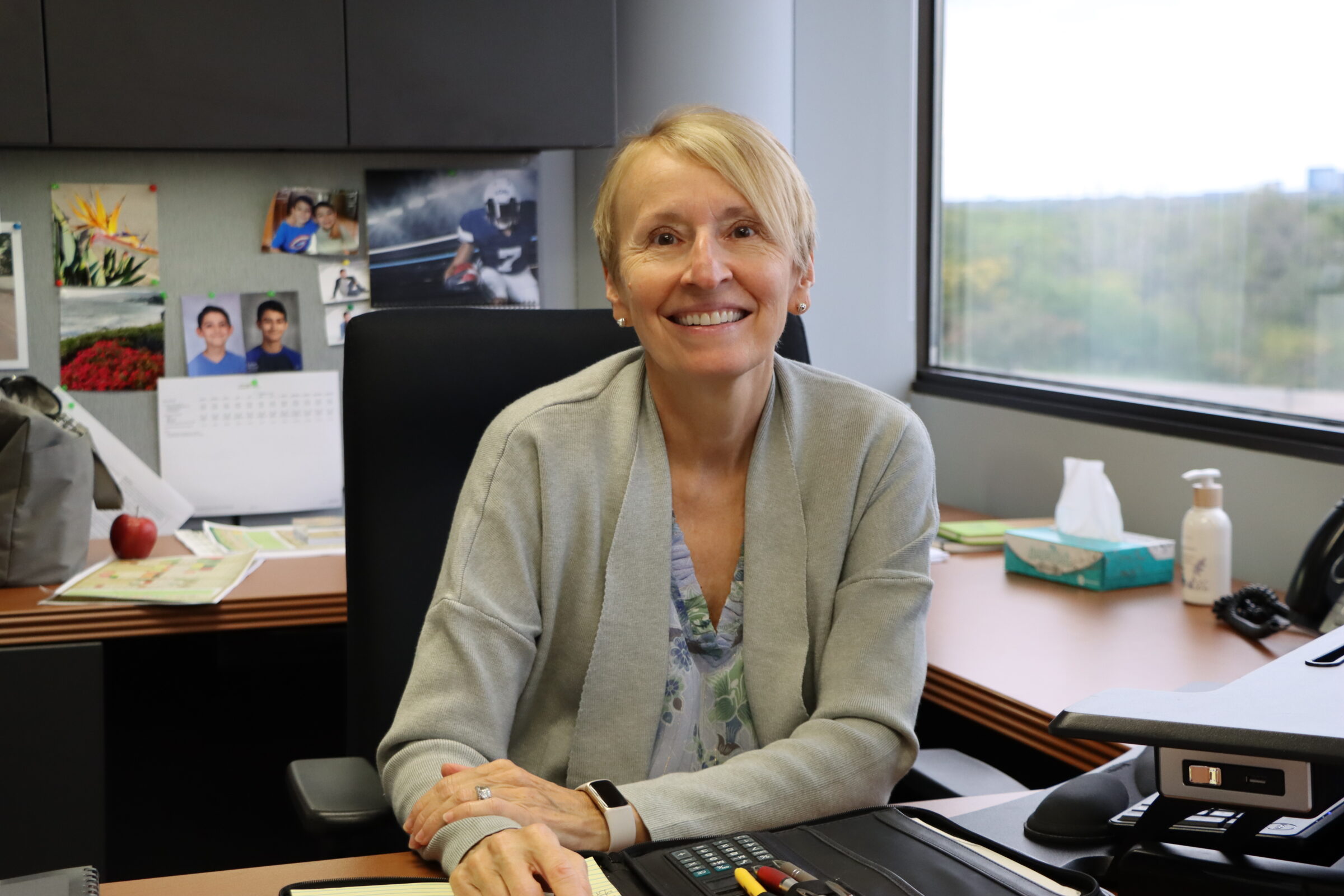
Q: Since your initial years as a DSP, how have you seen the industry change – perhaps for the better, or for the worse?
A: Our industry has become much more regulated. Federal oversight has increased which has trickled down to states which has contributed to increased administrative burden. We are a highly regulated industry and that may be necessary, but unfortunately, the funding to implement increasing regulations has not kept pace. Significant and prolonged underfunding in services have made it incredibly difficult to ensure access to support for people who need it, to keep pace with regulatory requirements, and to maintain a stable and robust workforce.
Additionally, as more and more people are served in community (vs. institutional) settings, and as people are living longer given advances in medicine, we have seen increased complexity in the individualized services our industry needs to provide. Our DSPs perform very complex tasks that have direct impacts upon the health and safety of the people we support. Medication administration, tube feedings, wound care – these are just a few examples highlighting the critical healthcare-related tasks that we ask our DSPs to perform every day. And they do an extraordinary job despite these challenges.
Q: What is your definition of “the Dungarvin way” – and how would you interpret that to people who don’t necessarily know us?
A: Over time, as we have grown, it has become important that we standardize many of our policies/processes/systems so that we have the ability to monitor performance across 15 states from a national level. We take quality and financial stability very seriously and our executive team and National Support Departments are a big part of helping support quality efforts at individual state levels. Over time, we have developed consistent expectations for quality and financial performance, and we have our way of assessing each of those areas. It’s important that we all speak the “same language” as we work towards these outcomes which ultimately allows us to better serve individuals across the country.
That said, at the end of the day, Dungarvin is about relationships. Whether that is the relationship between a DSP and a person receiving supports; the relationship with a family member or neighbor; the relationship with a funder; or the relationship between co-workers, these deep connections serve as the foundation for everything that follows.
Q: What message would you like our newest employees to know about Dungarvin?
A: As a new employee you signed up for more than just a paycheck. It will be a very challenging job at times, and you may question if you have what it takes to do the job day in and day out. On those tough days, please stop and really look at the person you are supporting and know that you are the difference between them just existing and their having the ability to live a full life that also includes the experience of joy. You can do that for them by offering them the individualized support that they need to thrive. Really understanding this incredible opportunity is what will keep you coming back day after day. It may be hard at times, but those moments when you see someone’s eyes light up because of something YOU made possible for them will be worth it!
Q: What do you think it takes to succeed at Dungarvin – or in this industry?
A: Determination and resilience, and a belief that no matter the obstacle, you can make a difference in someone’s life. Through Dungarvin, you have the opportunity to leave the world better than you found it.

At the beginning of September, the Victory Day Program located in New Brunswick, New Jersey opened its doors. Formerly known as the Somerset Day Program, this program provided day services, such as community integration, employment opportunities, and problem-solving in everyday living to 43 individuals.
Day Programs are a common service offered by many providers, including Dungarvin. Victory Day is an extension of school; a place to learn new skills, with a focus on a service plan that works for each individual. Our providers work to meet the individuals served where they are, helping them build social skills as well as learning how to get along better with themselves. Aside from an ID/DD diagnosis, some individuals may also have mental health challenges which makes interpersonal and social skill-building a challenge. Dungarvin NJ staff members are trained by the behavioral and training team to understand the Individual Service Plan that is created by the interdisciplinary team as well as the individual’s Behavior Plan.
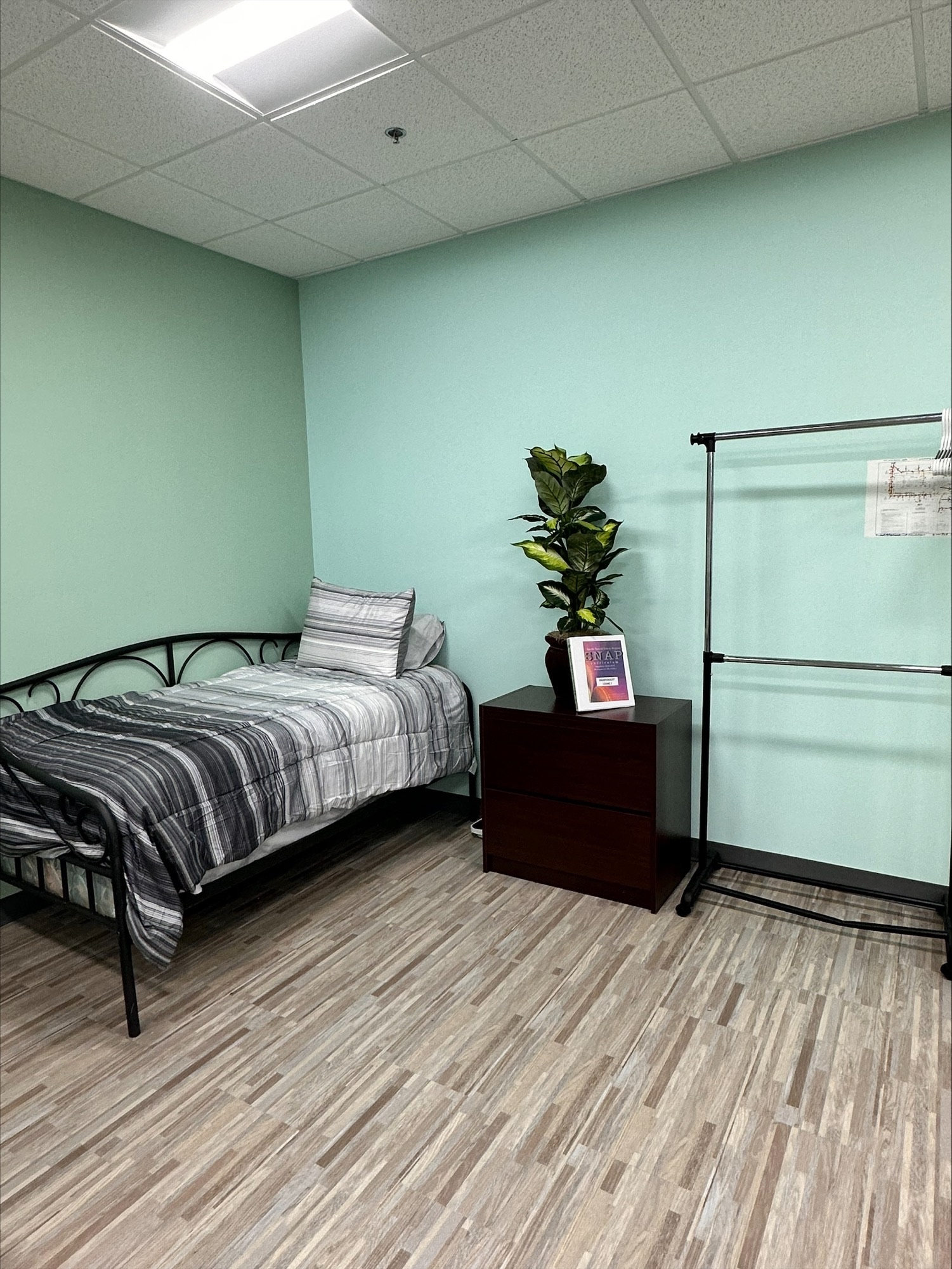
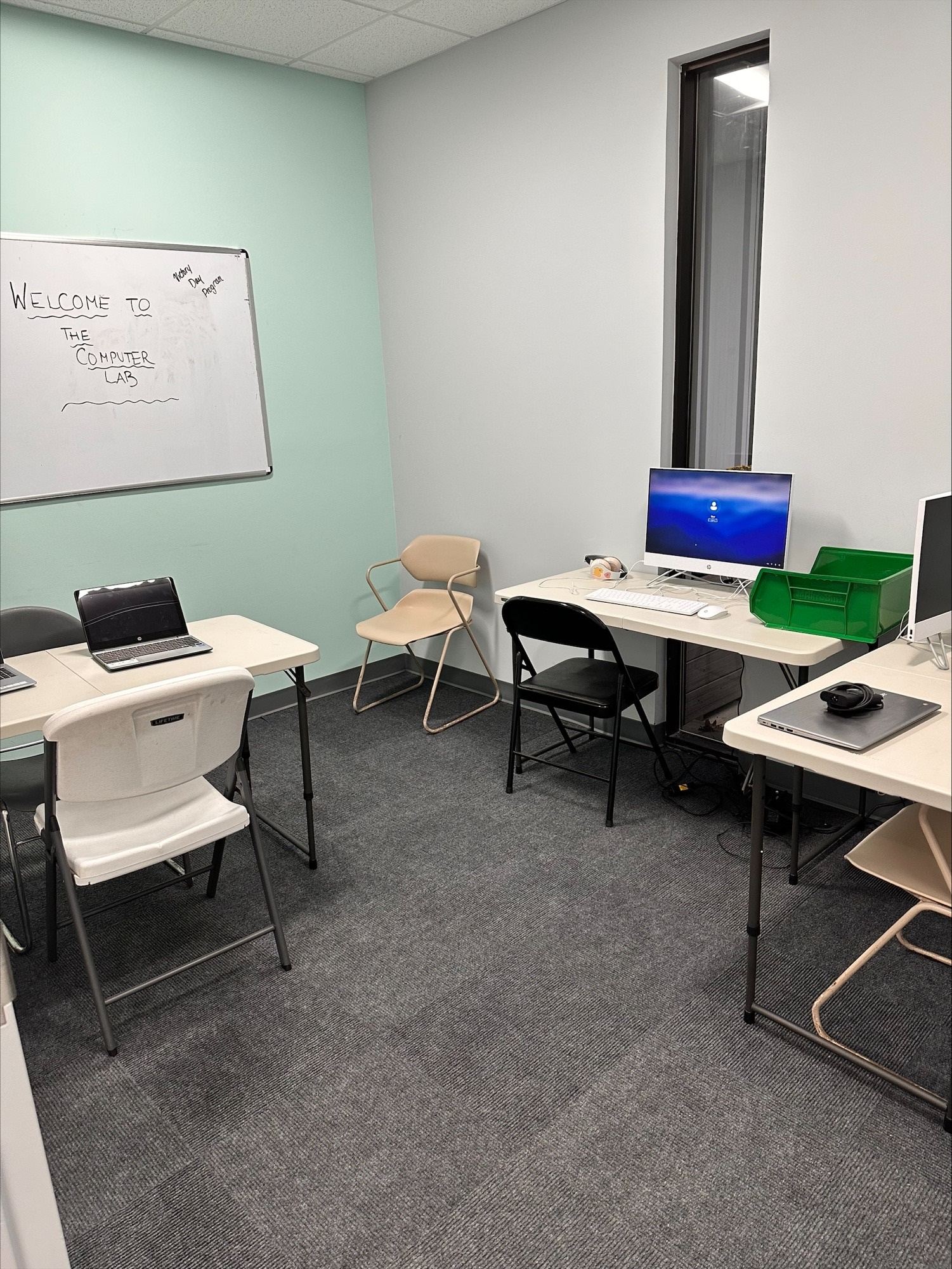
When Victory was known as the Somerset, they operated out of 4,000 square feet of space —enough to serve about 40 individuals. It didn’t take long for New Jersey Senior Director Alisha Glover to see an opportunity for growth that would better serve her community. “With new referrals reflecting increasing behavioral acuities in New Jersey, we could see that we had outgrown the space and also needed a more open floor plan,” said Glover
By early 2020 with her community experiencing the full impact of the pandemic, Glover knew it was now or never. Covid safety precautions implemented by the state meant that the Somerset Day Program needed to further restrict participation to keep individuals safe. Glover and her team began the search for a new home immediately. The team examined multiple sites, settling on 2550 Route 1 in North Brunswick. The new facility more than doubles the footprint of the old one, including the capacity for individuals served. One of the first locations they looked at was located on Victoria Boulevard. Although the team ultimately selected a different location, they decided to rename their program ‘Victory’ — after Victoria (Boulevard) — because it represented “a moment to grow the program and support more people, and it is a ‘victory’ to all of us!”
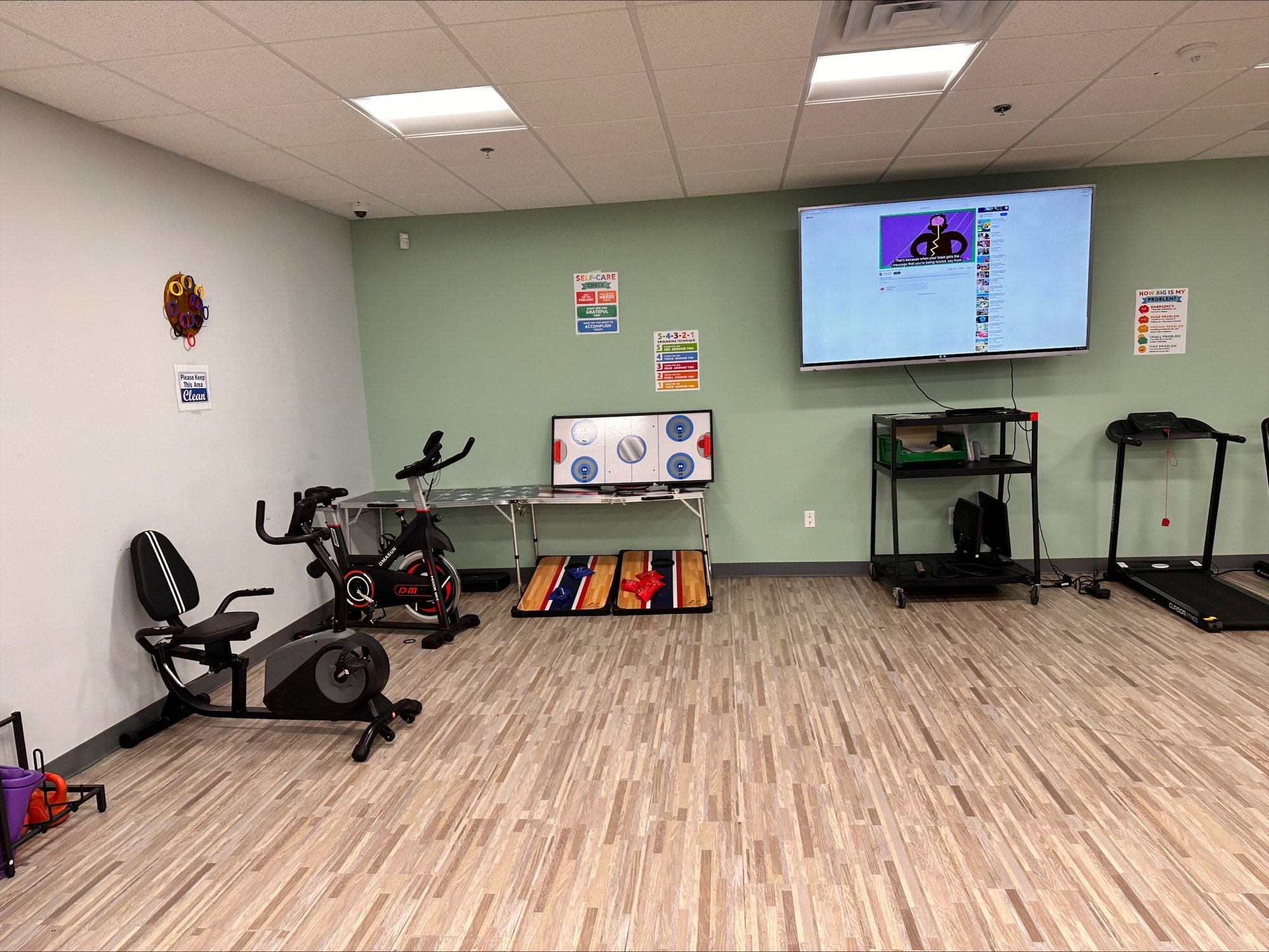
“With the larger building we are introducing a new service, pre-vocational, which will help people reach their own goals,” explained Glover. “We are helping individuals learn how to manage their own money; engage with others in the community; prepare for a job interview and, ultimately, be more independent.” Almeda Athill, New Jersey Area Director, is looking forward to the expansion and seeing the goals of persons’ served come to life.
“The long-term goal of the program is to enhance the quality of life of each participant leading to more meaningful, productive lives,” said Athill. “The program will constantly evolve to meet the needs of the participants but will always ensure that Dungarvin’s mission of respecting and responding to the choices of people it supports is met.”
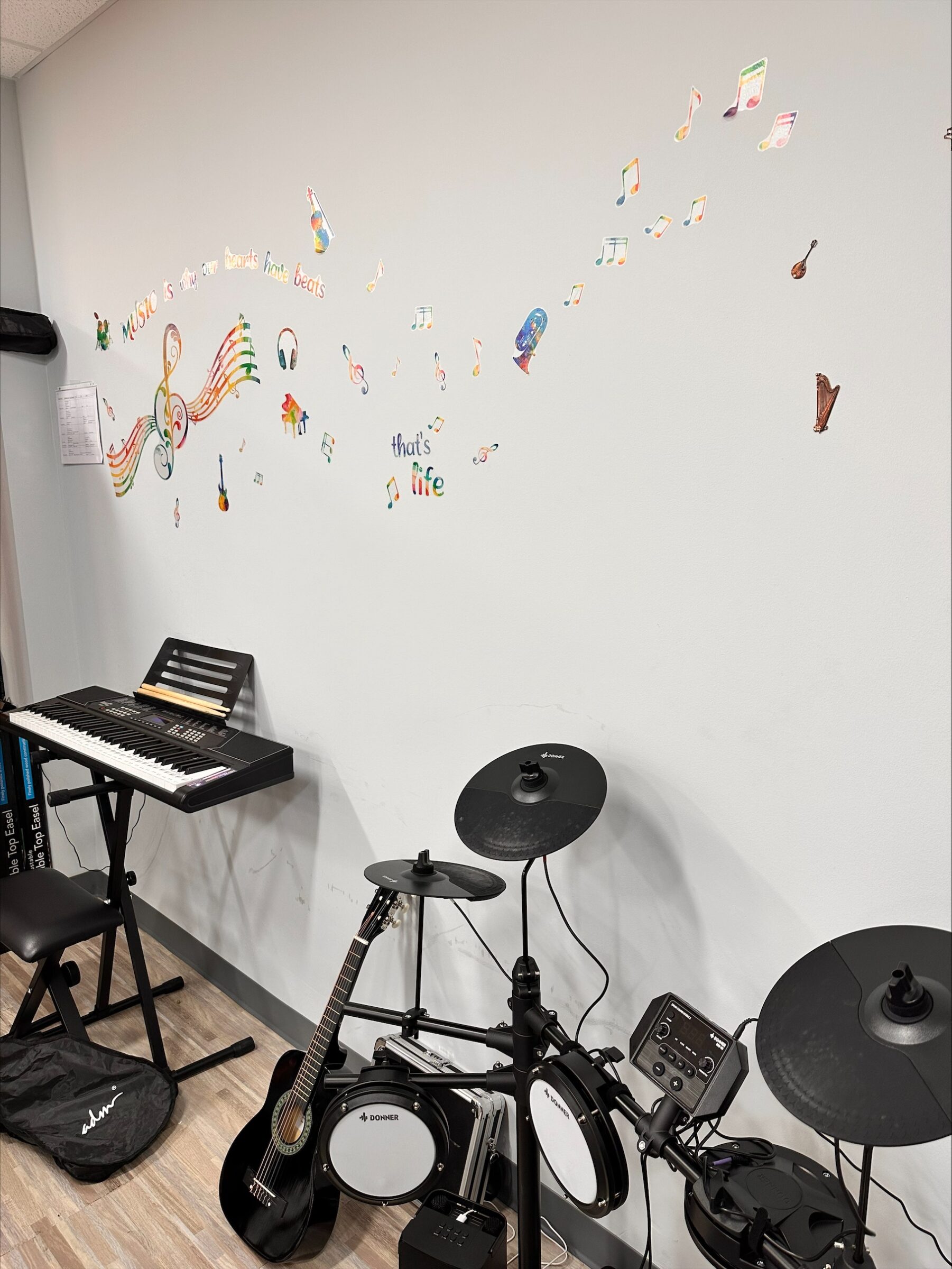

Naturally, “victory” is a big theme at the Victory Day Program. It’s become a part of the identities of each person served and staff members as well. “We want names that reflect where we are,” said Glover. “And ‘victory’ is a wonderful name for our individuals who are doing things they couldn’t necessarily do at home while learning important new skill sets.”
To learn more about this program and other services provided by Dungarvin NJ, please visit https://www.dungarvin.com/locations/new-jersey/.
Eric Roberson’s first role in the IDD field was 14 years ago as a Case Manager in Western Kentucky. Since that time he “seized the opportunity for a transition” relocating to Minnesota to become Director of Acute Behavior Services (ABS) for Dungarvin Minnesota. However, the pull of home was too strong and now Roberson and his family have returned home to be Senior Director for that state. Get to know a little bit more about Roberson’s journey and the impact of his experiences in 5 Questions with…Eric Roberson:
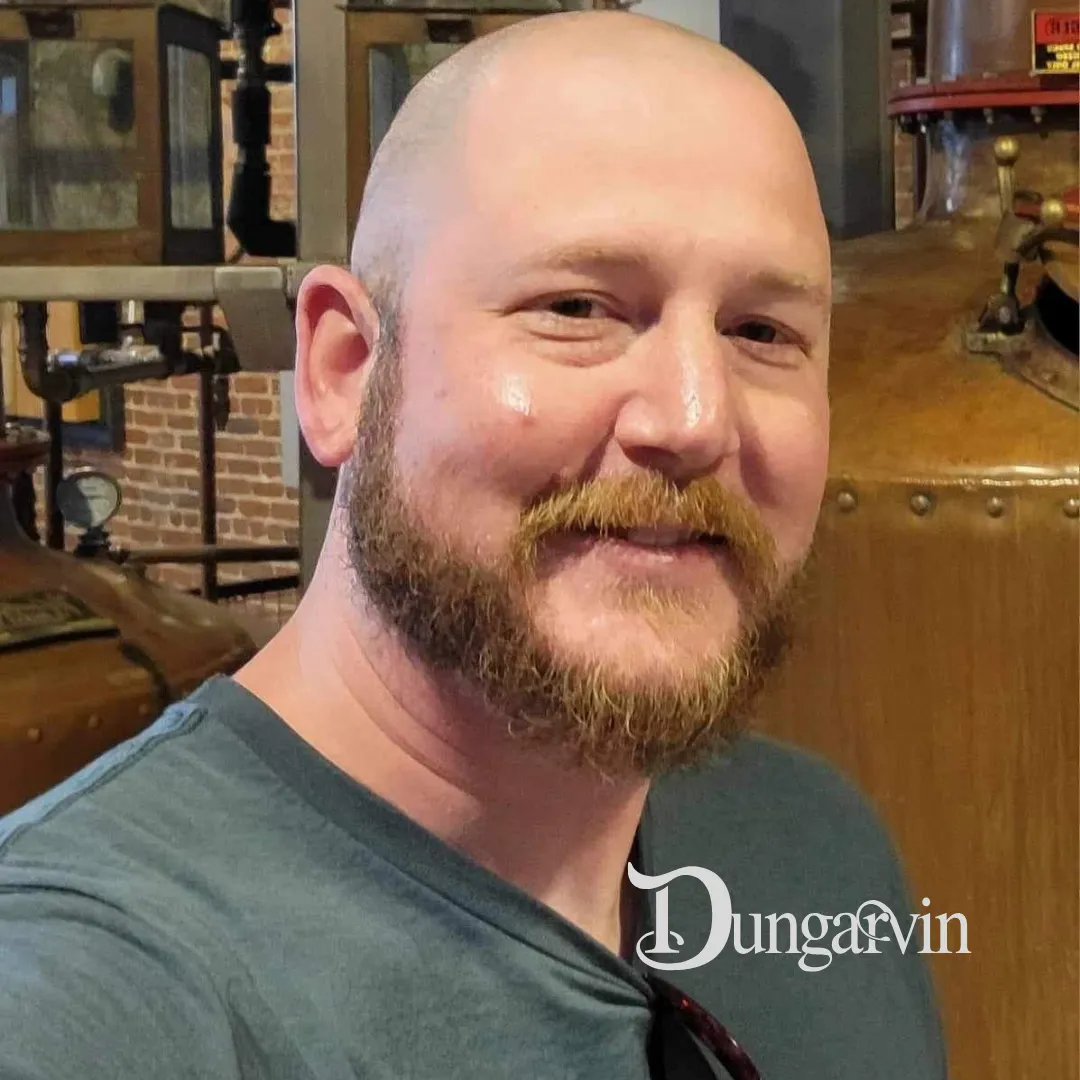
Why do you have a passion for this work – how so – please briefly explain.
Honestly, I love the people that we support, and I believe that it is important work advocating for those served and helping them have a voice when many don’t. I cannot imagine myself doing anything different.
What is your most treasured possession?
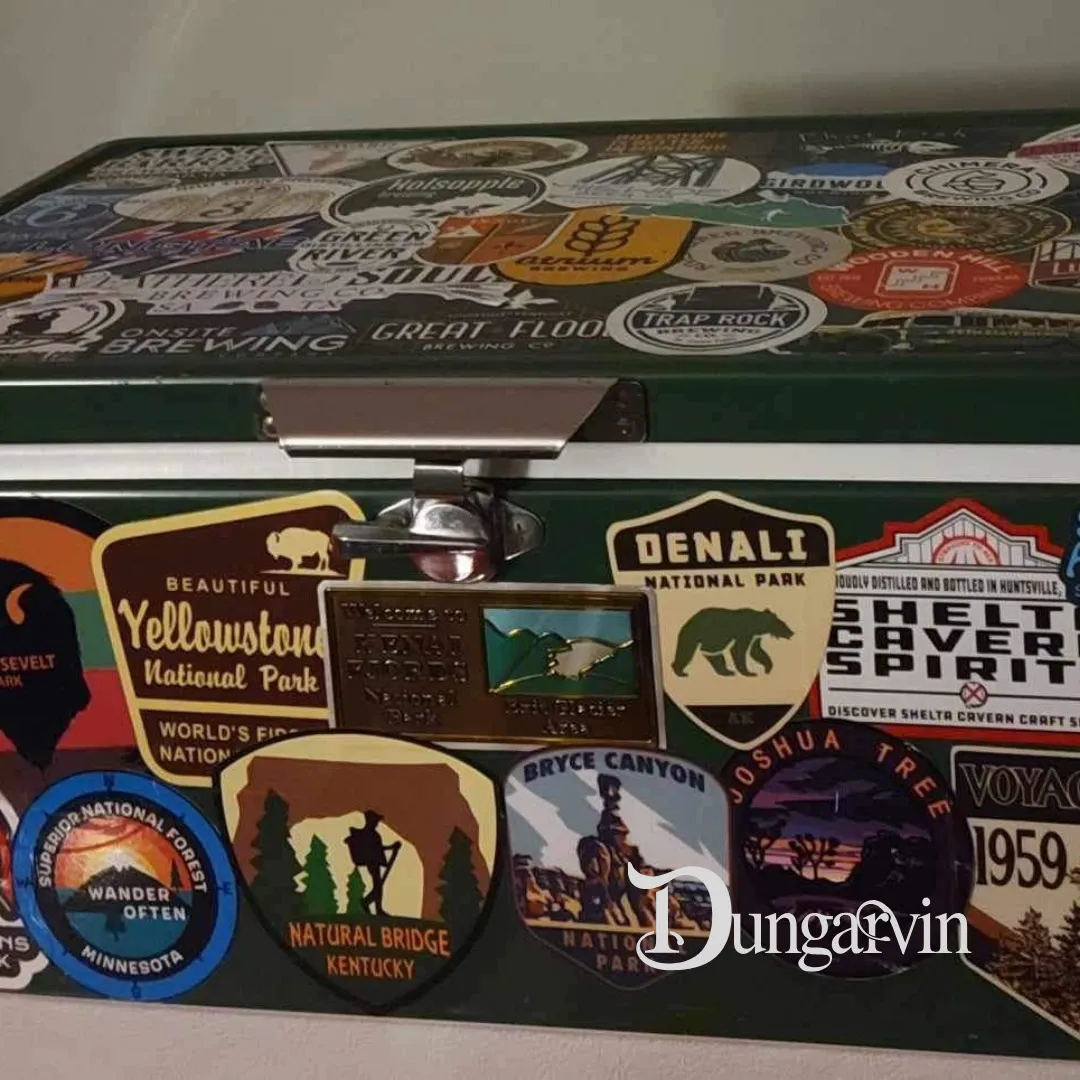
My vintage cooler that I place all the stickers of all the places and events that myself and my family have visited over the years.
What do you most value in a friend or a co-worker?
The characteristics that I value most in a friend and co-worker are loyalty, honesty, and dedication. I also appreciate those that can let loose and have some fun in their role whether that be as a coworker or friend.
Who are your heroes in life and why?
I don’t have just one hero that comes to mind but feel that I have such a supportive family that has instilled drive and determination into me in all aspects of my life.
What do you consider your greatest achievement?
Professionally my greatest achievement is being a part of the development of the Acute Behavior Services in MN. The program supported and continues to support people that would otherwise be living in an institutionalized settings. The success and hope that we provided and continue to provide to those served brings great joy knowing that I was able to be a part of the team that brought that hope to life.
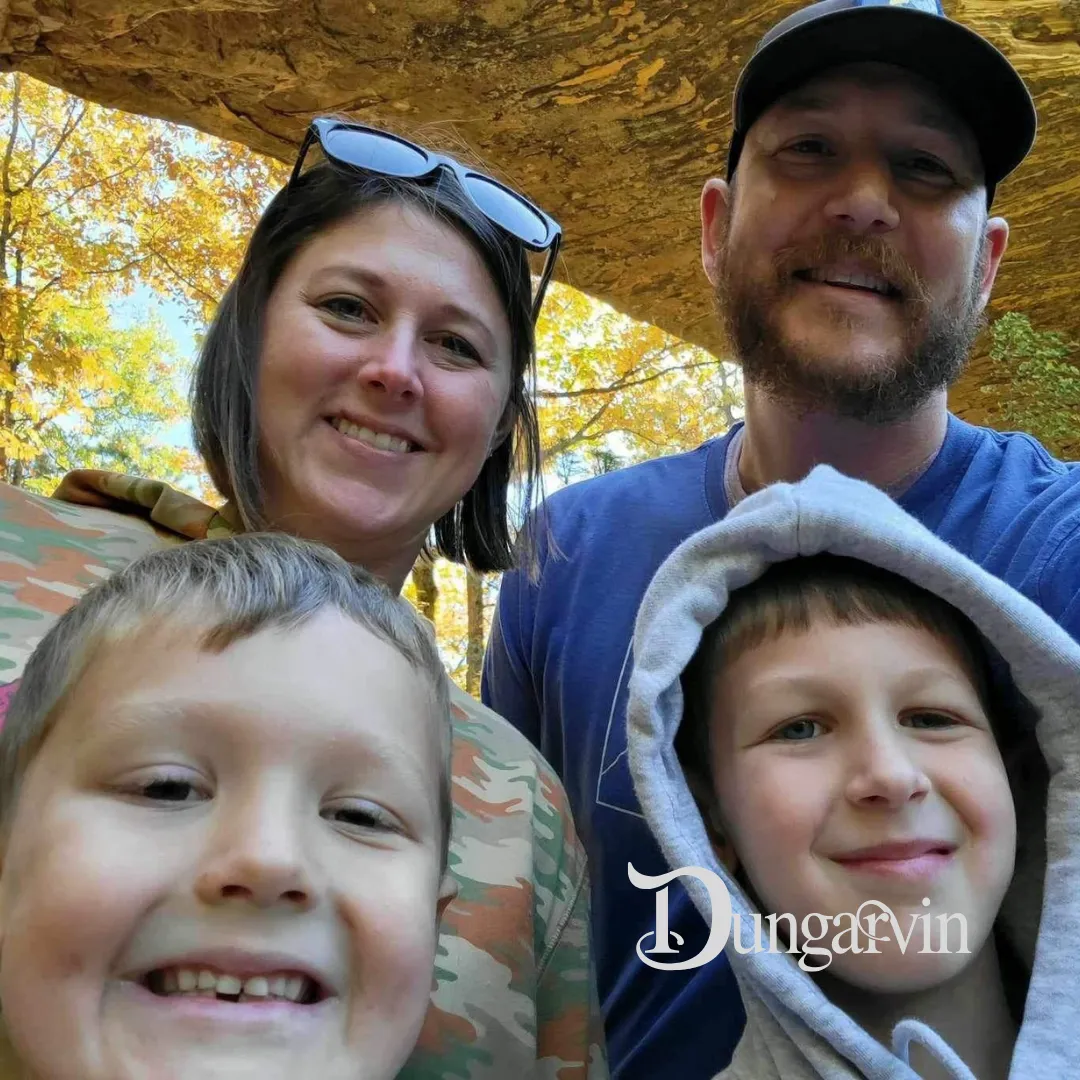
Emily Scheevel is Dungarvin’s Chief Financial Officer. Prior to coming to work for Dungarvin just three years ago, Scheevel was in public accounting at CliftonLarsonAllen (CLA) where she served as the partner on the Dungarvin relationship. Since joining our organization, she has become a trusted leader, now overseeing Accounting, Operations Accounting Services, Financial Planning & Analysis as well as Information Services departments with close to 90 team members and a Special Projects Accountant. Get to know what Emily values in her life and at Dungarvin in 5 Questions With… Emily Scheevel:
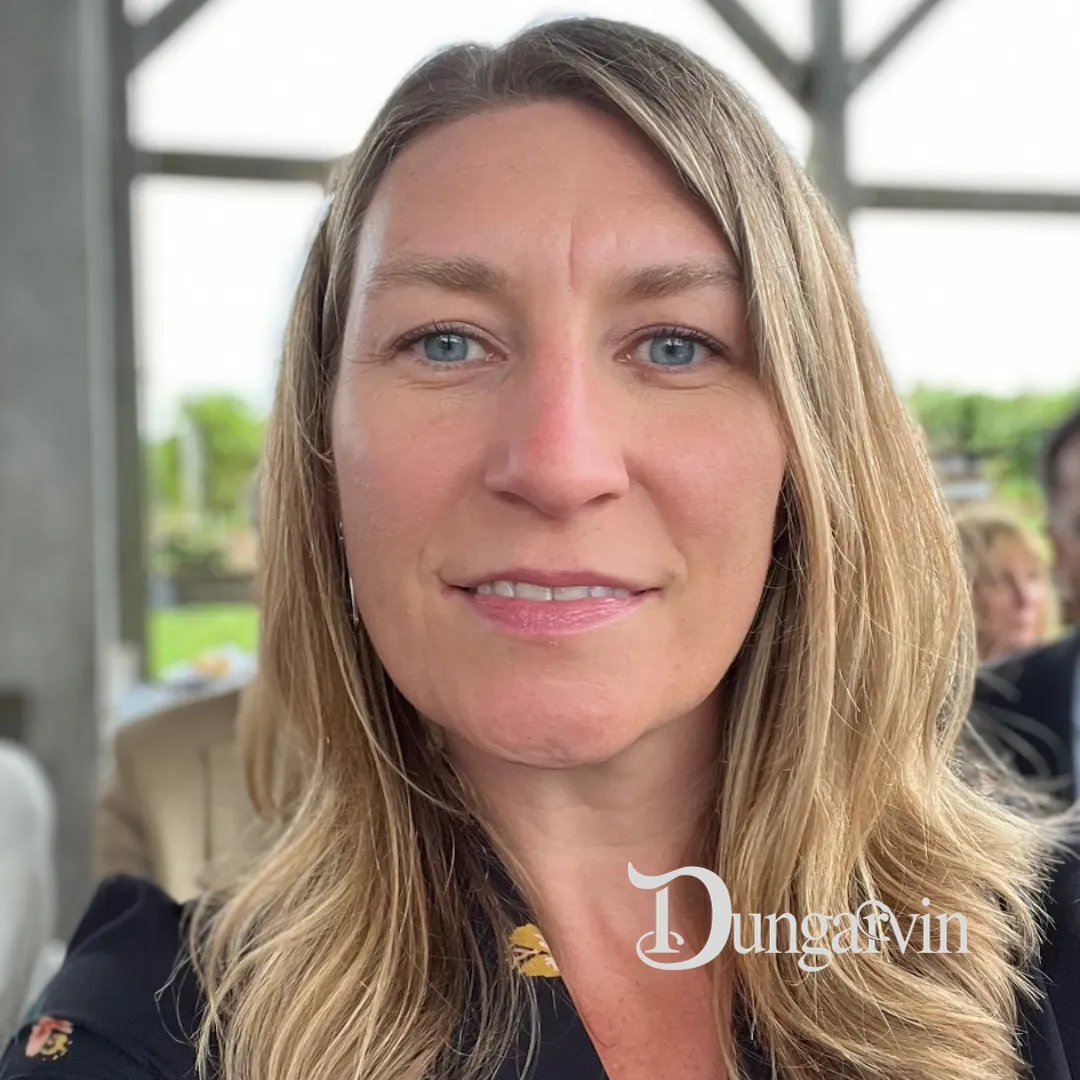
1. What is your most treasured possession?
I wouldn’t call them possessions, but my family is what is most treasured to me. I have been married to my husband for nearly 19 years and we have two boys, 14 and 11. I am also rather fond of my vehicle, a Tesla model Y.
2. What would you most like to see happen in your state to better serve people with disabilities?
I would like to see that all states designate sufficient funds to the industry so that we can better serve people with disabilities and better pay the employees.
3. Who are your heroes in life and why?
My parents are my heroes. They always worked hard and instilled good values and drive for success in me. They are now retired and enjoying spending their retirement traveling and watching their grandkids participate in their various activities.
4. What do you consider your greatest achievement?
I consider my greatest achievement to working together with my husband to raise good humans. They may not be the strongest, fastest, or best students; but they work hard, are kind, empathetic, and good friends.
5. What do you most value about the Dungarvin team with whom you work?
I value the care and diligence that each member of my teams does to support their respective function. Every single member of accounting, finance, and information services plays a key role within Dungarvin to ensure that the organization can provide high quality supports to the people we support.
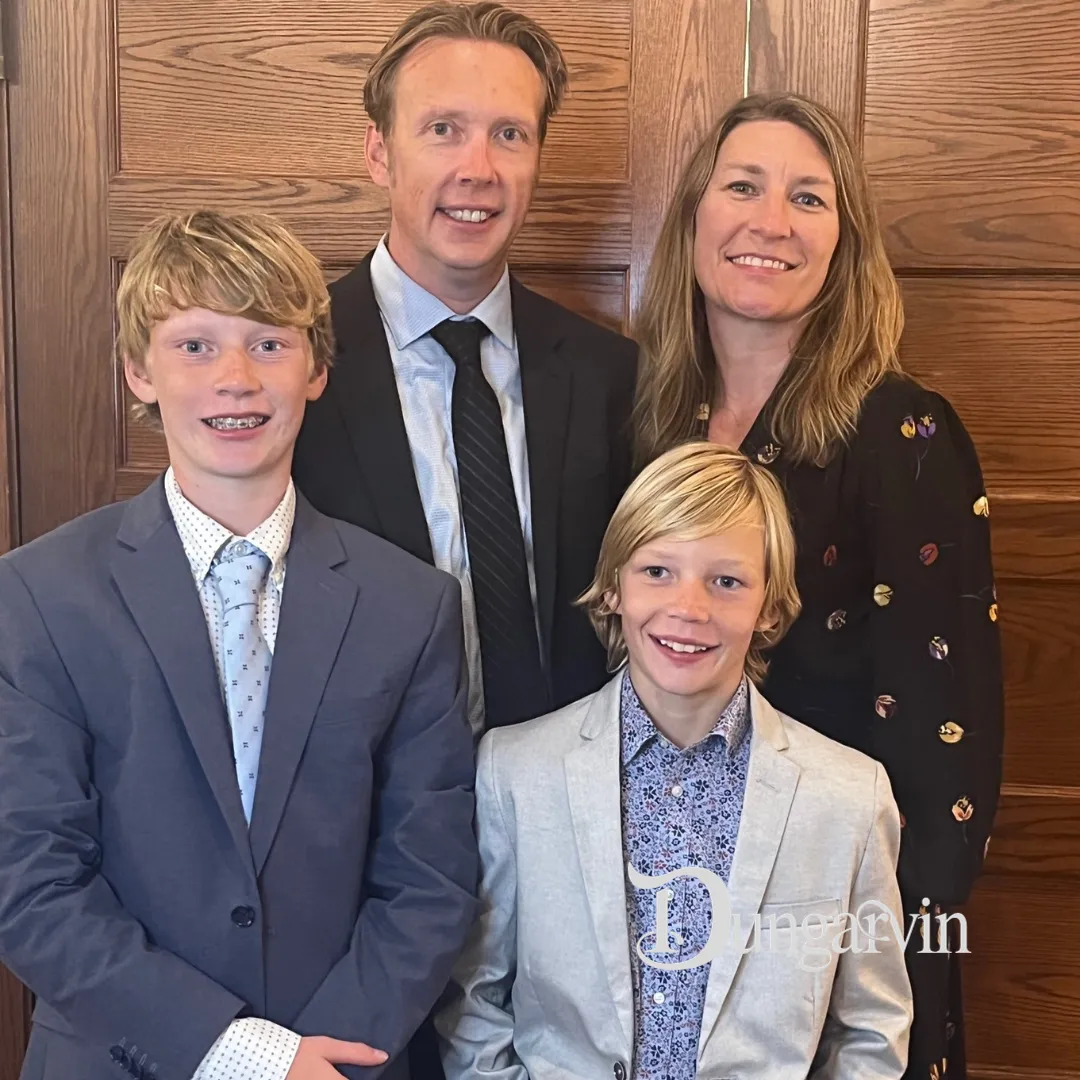
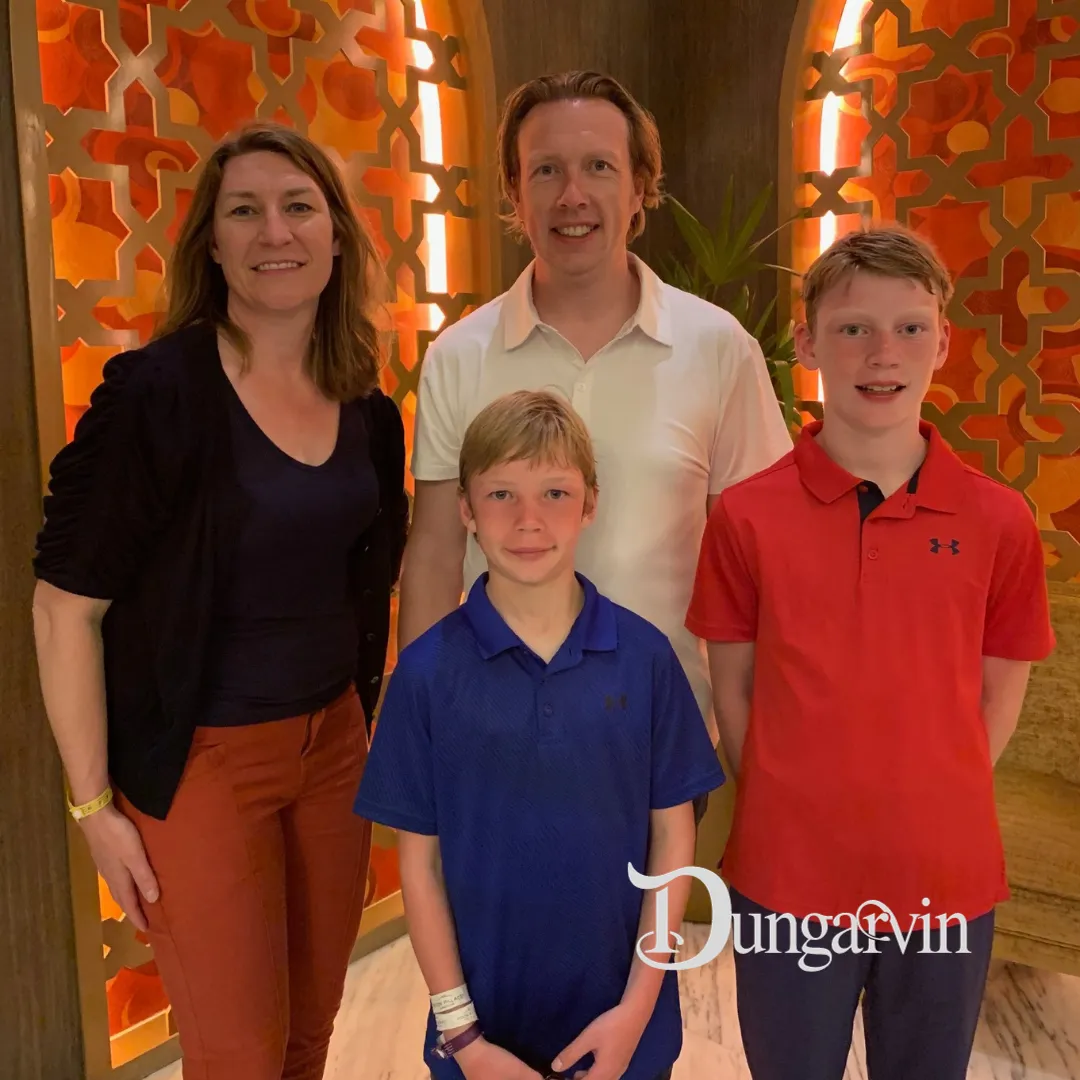
Each year, a staggering number of children are in need of a home. The reasons why are as unique as each individual child. Foster care is one option. Foster care is a system in which a minor is placed into a home of a state-certified caregiver, commonly known as a “foster parent,” or with a family member approved of by the state.
Of course, children are never placed in foster care for anything that they did. While some minors enter the foster care system to be protected from neglect or abuse, oftentimes the situations are much more complex. Some families encounter hardships that ultimately prevent them from caring for and providing a safe home for their children.

In North Carolina, the situation has become a crisis. According to federal data, the number of licensed foster care homes in the state has dropped by 23 percent from 2021 to 2022. As a result, there are only roughly 5,500 foster homes for approximately 10,200 foster children in the state.
ACI-Dungarvin knows it can help. The agency is a licensed Child placement provider, meaning ACI-Dungarvin can place youth in foster homes across the state. In several counties, the organization could provide many more services if more qualified foster parents stepped up to help. “We have great foster parents across the state,” said Latoya Davis, Foster Care Director. “However, we do not have enough foster homes to meet the increasing need across our state. By becoming a licensed foster parent, you will be able to provide a loving, structured, and nurturing home for children in need.”

Consider the example of Trinette Brown. For more than 10 years, Brown has been a foster parent with ACI-Dungarvin, but in total, she has been a loving foster parent for more than 22 years. A positive individual, Brown knew she had more to give. “I was a group home program manager,” she shares. “I didn’t have my own biological kids but knew I could be there to help kids with their goals. I had a desire to nurture and care for them and knew becoming a foster parent was a way I could give back.”
Recently, Brown shared a pivotal moment in her experience fostering. “I was driving my car and had a foster child in the back seat, kicking my seat,” she remembers. “I patiently told him, ‘I don’t care what you do, I still love you.’ He looked and me and said: ‘Say that again.’ So, I repeated it. He then shared with me that ‘no one has ever told me that they love me before.’”
If you are a current resident of North Carolina, please contact us to find your local office and learn how you can make an impact in your community. Call 919-329-5671 or email NC-TherapeuticFosterCare@dungarvin.com. Thank you for choosing to make a difference.
Today we are excited to give you a glimpse of HR Director Cheryl Wolf-Miller and the person she is! Her first job in this field of work was recruiting for an Education Service District in Oregon that specialized in providing services for both medically fragile children as well as self-contained schools for high behavior needs. Since then, Cheryl has been with our Dungarvin Washington Supported Living team since 2015. Get to know Cheryl and why this work matters to her through 5 questions with…Cheryl Wolf-Miller:
1. Why do you have a passion for this work – how so – please briefly explain.
I am passionate about underserved populations. The heart that goes into the work being done at Dungarvin is inspiring, and as I am a “support” role to the employees doing this great work, I am consistently humbled by the amazing people we employ to support these individuals, both in their homes as well as through supported employment and housing initiatives!
2. What is your most treasured possession?
My farm! We live in the middle of a large city (Tacoma), but are lucky enough to keep goats, chickens, and ducks, and they keep me sane even on the craziest of days! After a long day, I am able to de-stress and hang out with animals – one of my passions!
3. What would you most like to see happen in your state to better serve people with disabilities?
Recognition for the work that has been done, and where we need to go. Our field often goes without recognition, and I hope that changes for our employees. They play an integral part in helping the vulnerable populations in Washington.
4. Who are your heroes in life and why?
My heroes are the people who have dedicated their lives to bettering others – our employees. Working in HR, I am fortunate to have a full perspective of what it is like to work in this field. I am consistently humbled by the perseverance and dedication the majority of our employees display. We have employees that will literally put their personal lives on the sidelines to support our persons served every day. Our employees band together to solve problems and celebrate achievements, no matter how big or small. Even to be a small part of the large Dungarvin puzzle is inspiring and I would say our employees continue to surprise me – since the day I started working with these individuals –with their dedication to the mission of transforming lives. They are my biggest heroes.
5. What do you consider your greatest achievement?
I consider my greatest achievement to be a part of a relay (3.8 miles) during the Portland Bridge Swim in July 2023 (11 miles total). As a swimmer, I recently got back into the sport and joined a Master’s team in September 2022. I signed up for an open water swim in January without really understanding the nuances between swimming in a pool and swimming in “open water” – after beginning training in April 2023 (frigid lake water! 60 degrees!), I was shocked at the difference. I continued training and tried to figure out ways to get out of the relay, but I ended up “sucking it up” and swam the first leg. The current changed that morning and it was the most difficult ~3 hours of my life! Nevertheless, I finished, and I am so proud of that.
In terms of my greatest achievement at work, I would definitely say overcoming the perception of HR prior to arriving in the Tacoma location. It was perceived that HR was not supportive or collaborative, and I have worked very hard since 2019 to change that. I feel confident in the steps I have taken to ensure all employees know that HR is a safe space where they can share things and we can support them. My team, and myself, embody this in our day-to-day interactions with employees and leaders alike.